Raptors of the High Desert Museum

Raptors of the High Desert Museum

By Melanie Reynolds

At the end of August my family drove down to Oregon to visit a very dear friend of ours before school started. We drove through Portland, had lunch in Gresham, wound our way through the beautiful forests in the shadow of Mount Hood and eventually dropped down into the modest canyon lands of the high desert outside Madras. All in all, a six-hour drive for us from our home in Washington state.


Please meet some of my newest friends’ worth fighting for:
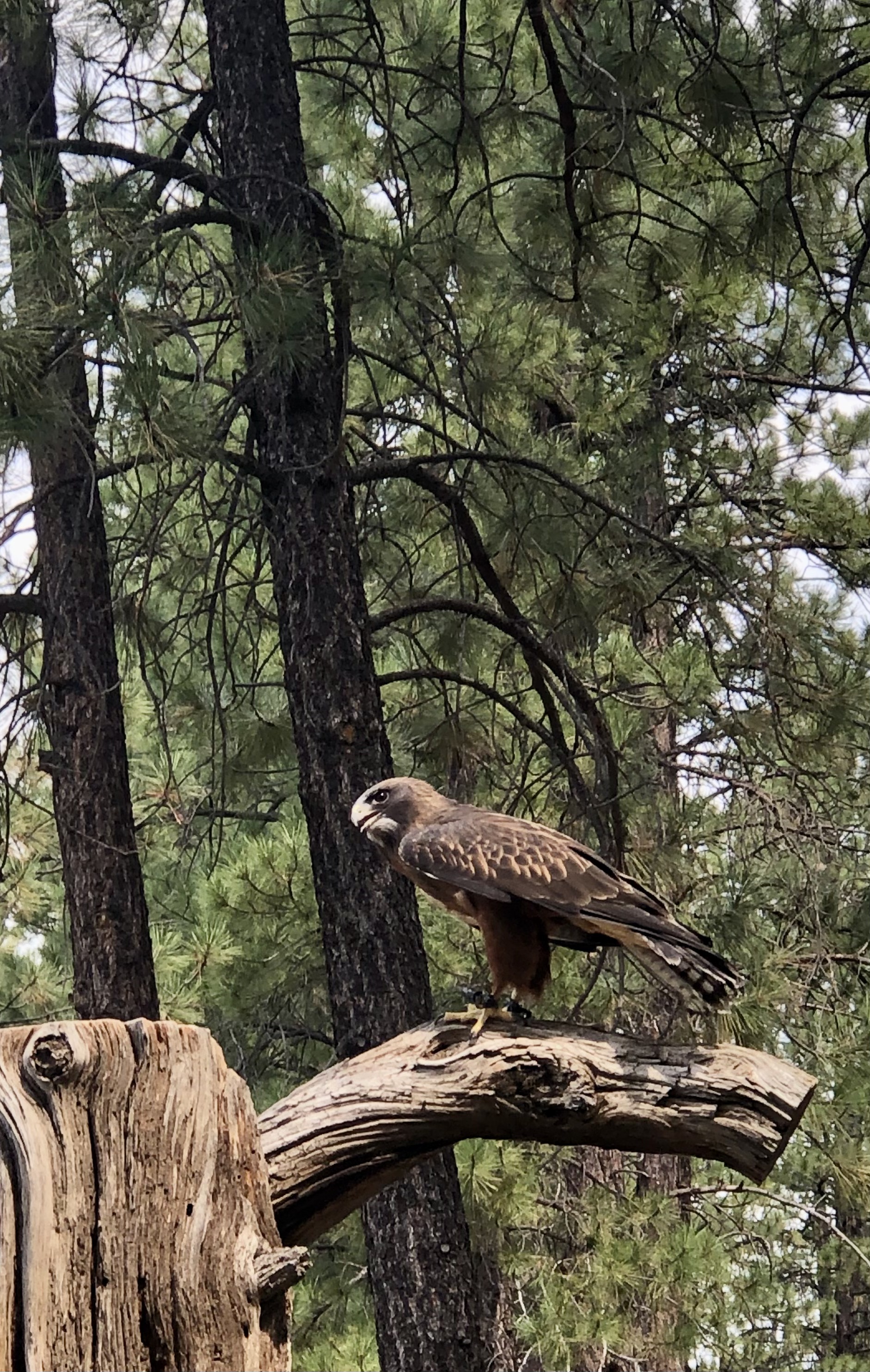
Swainson’s Hawk

A huge shout out to the High Desert Museum in Bend, Oregon for their fantastic raptor show and conservation work! These gorgeous birds are survivors, for one reason or another, they are not able to be fully rehabilitated and released back into the wild. As such, they now live here as ambassadors of their species. https://highdesertmuseum.org/

The two biggest threats to Raptors are:

  • Rodenticides that do more than just poison the rats and mice, it poisons up the food chain.
  • Over-developing large swaths of forests, fields, and prairies.

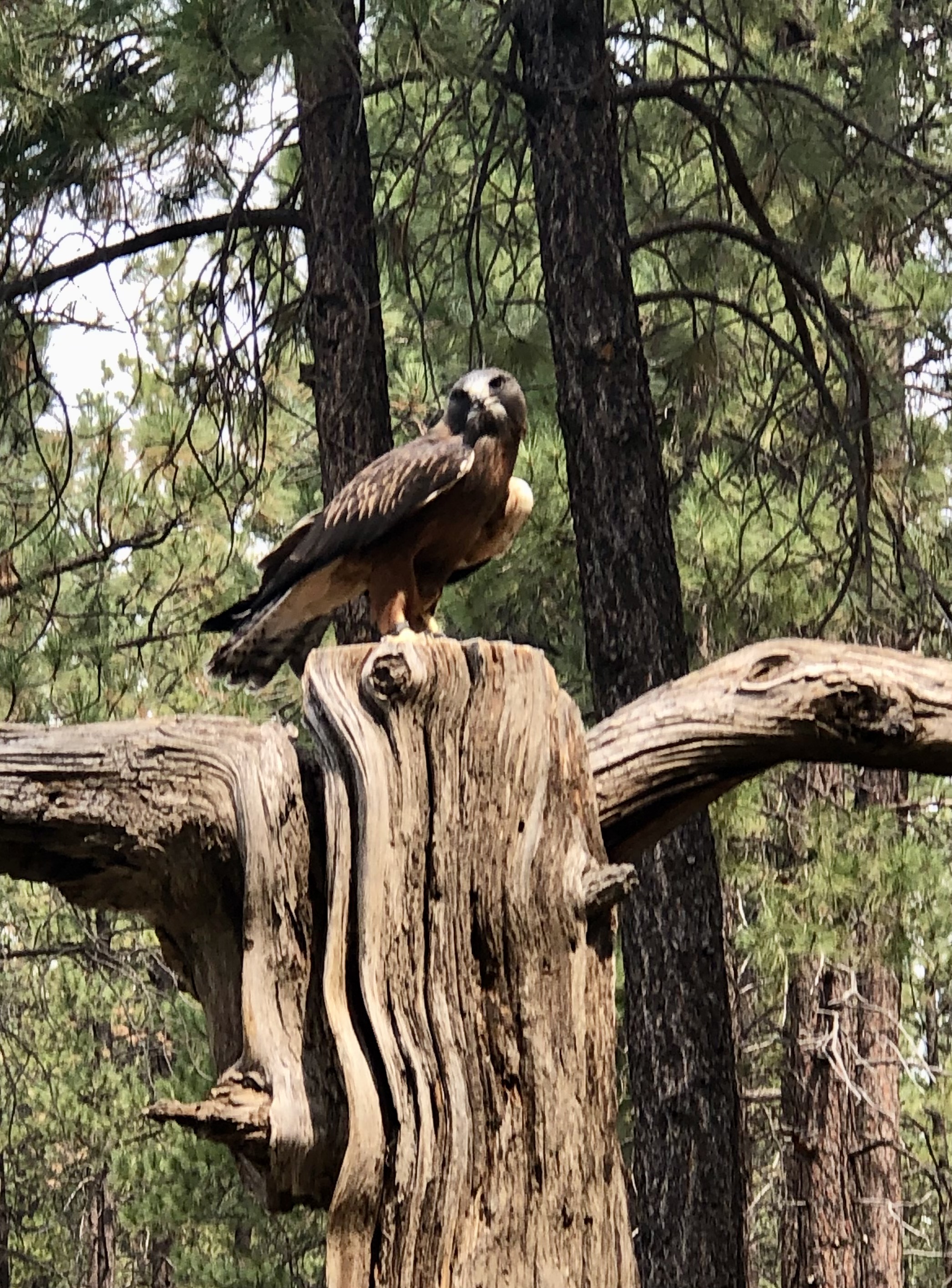
Swainson’s Hawk

While I loved all the Raptors. I immediately felt bonded with this Swainson’s Hawk who seemed reluctant to leave the perch closest to me. They’re supposed to fly over our heads from perch to perch following the treats their handlers put out, but this one seemed content to hang out with me. They were feeling extra cute today. Is that not a happy raptor look?
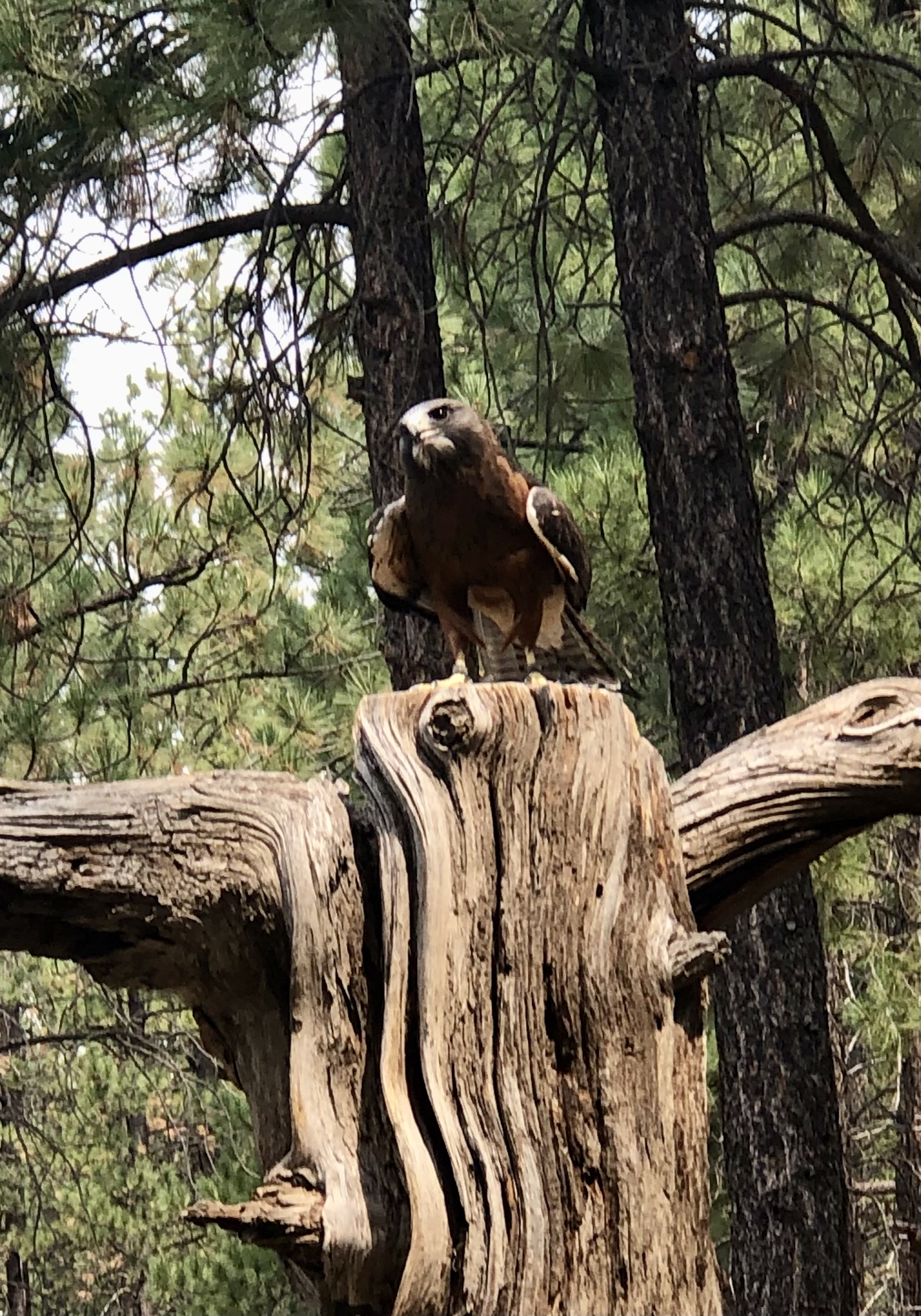
Swainson’s Hawk 2
Swainson’s Hawk 3

Harris’s Hawk

This one definitely had their eye own the prize, living up to the American idiom “to watch something like a hawk.” (To watch with shrewdness, ready to strike.)
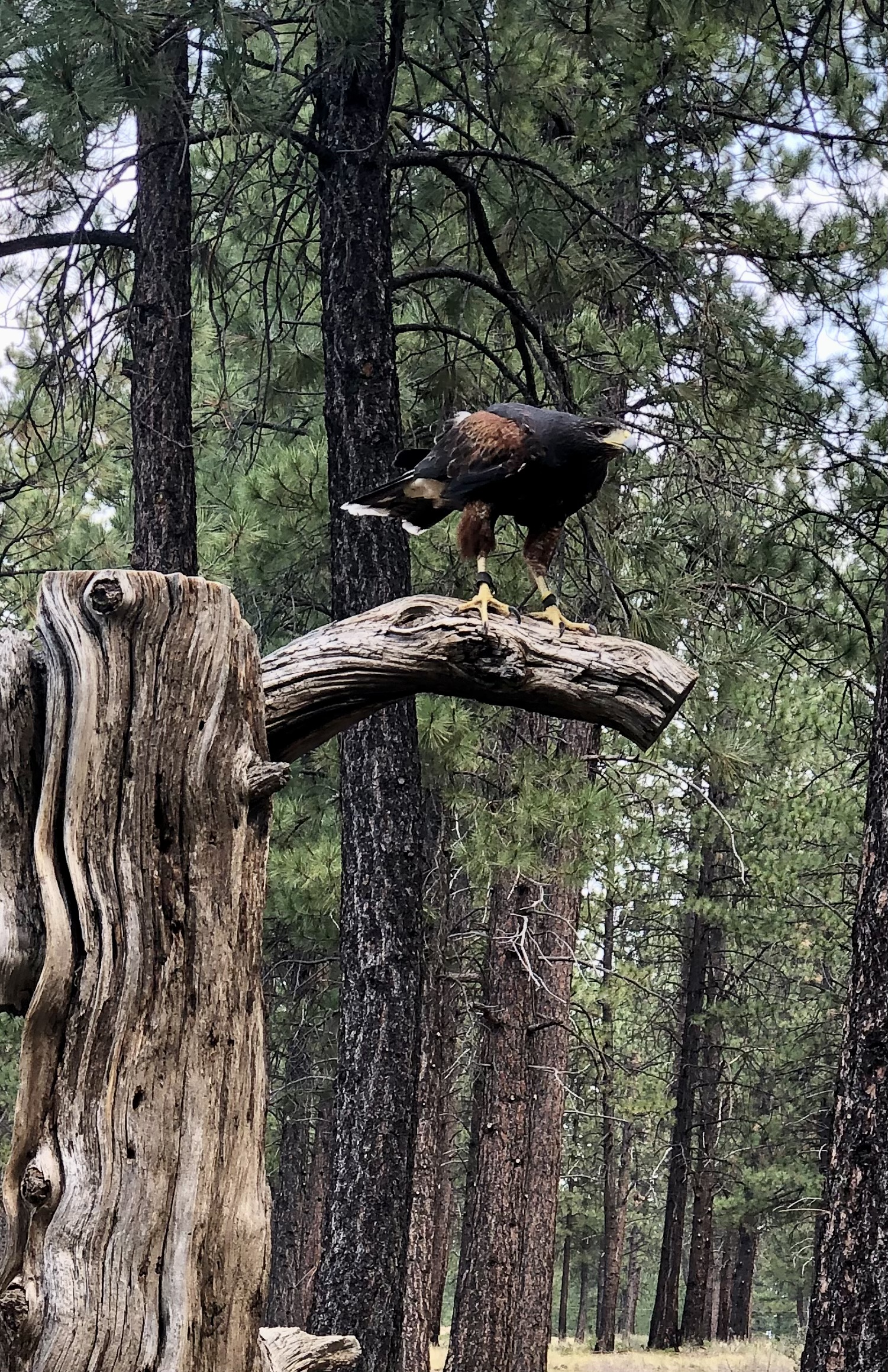
Harris’s Hawk

Turkey Vulture

The largest raptor we got to meet. While many people may not like their role as nature’s cleanup crew, it is a vital role, nonetheless.
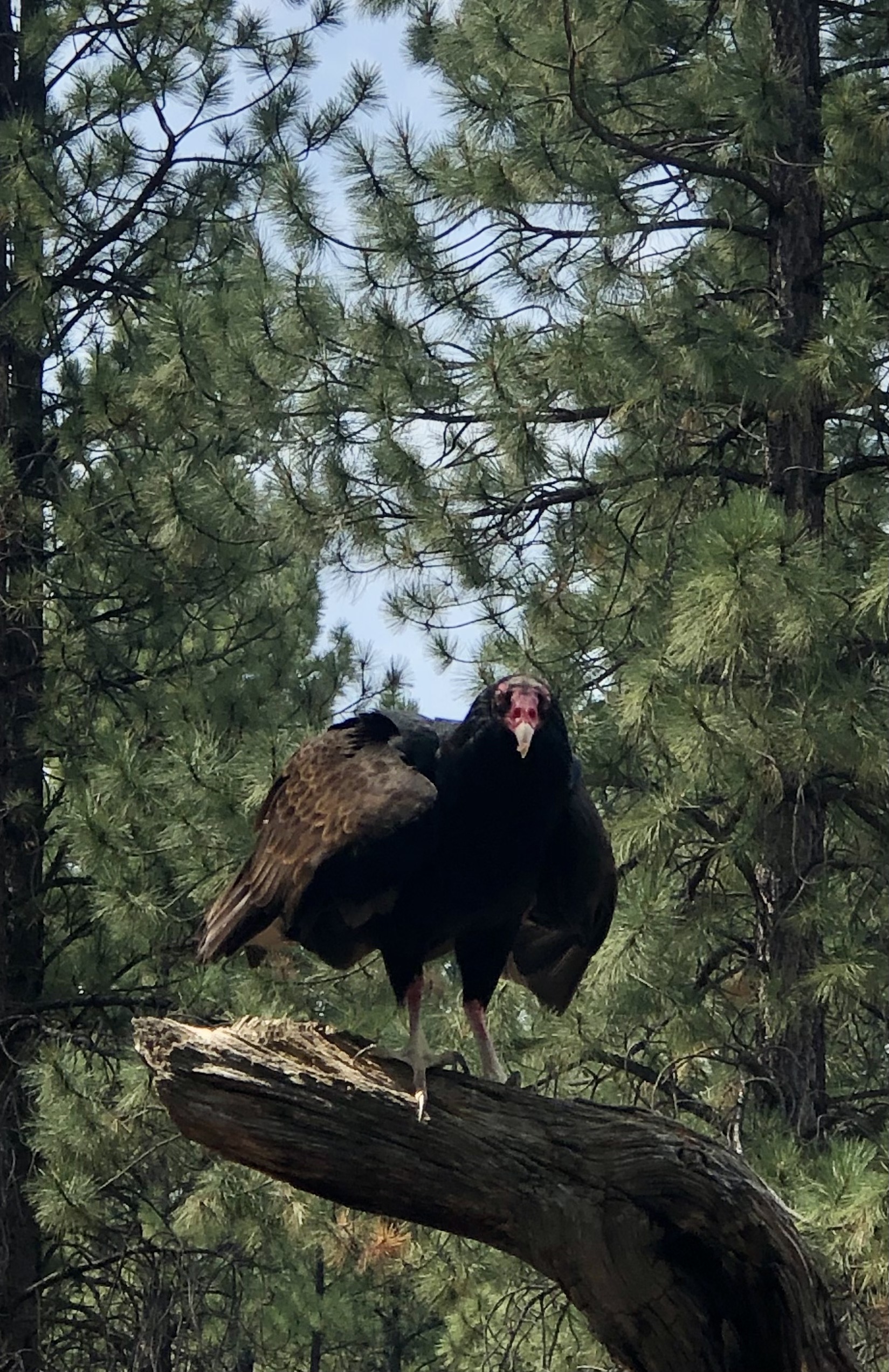
Turkey Vulture

Gyrfalcon

This falcon was not able to fly the circuit above our heads, but it still got the chance to come out and say “Hi” while one of the handlers answered questions. The Gyrfalcon is the largest falcon in the world.
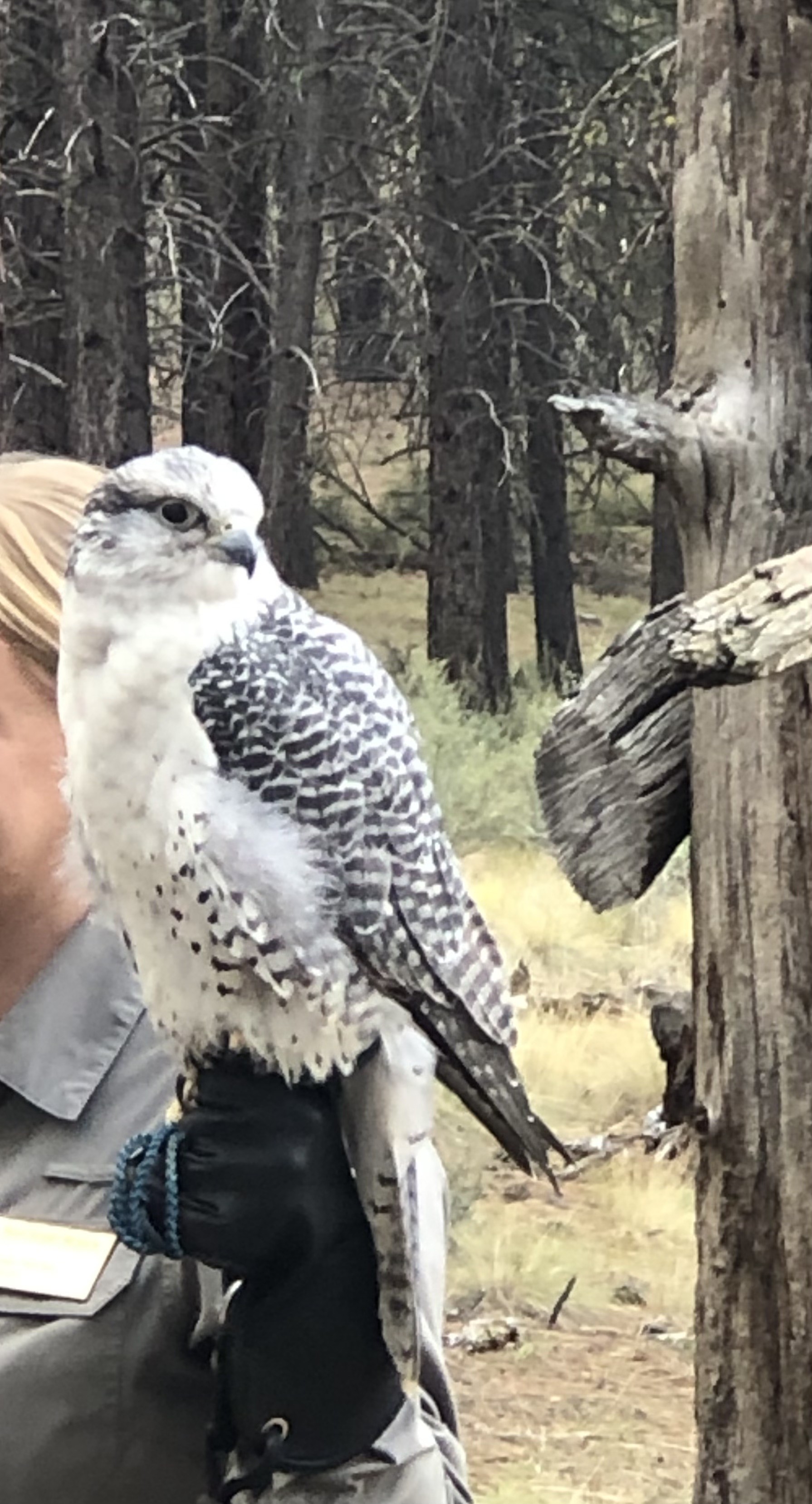
Gyrfalcon

Peregrine Falcon

The most well-known type of falcon, I believe. Every time I hear the name I can’t help thinking of the children’s horror book series: Miss Peregrine’s Home for Peculiar Children by Ransom Riggs. I liked it! I should give the 2016 movie a try, but I digress. The Peregrine is a beautiful raptor to have the opportunity to see up close.
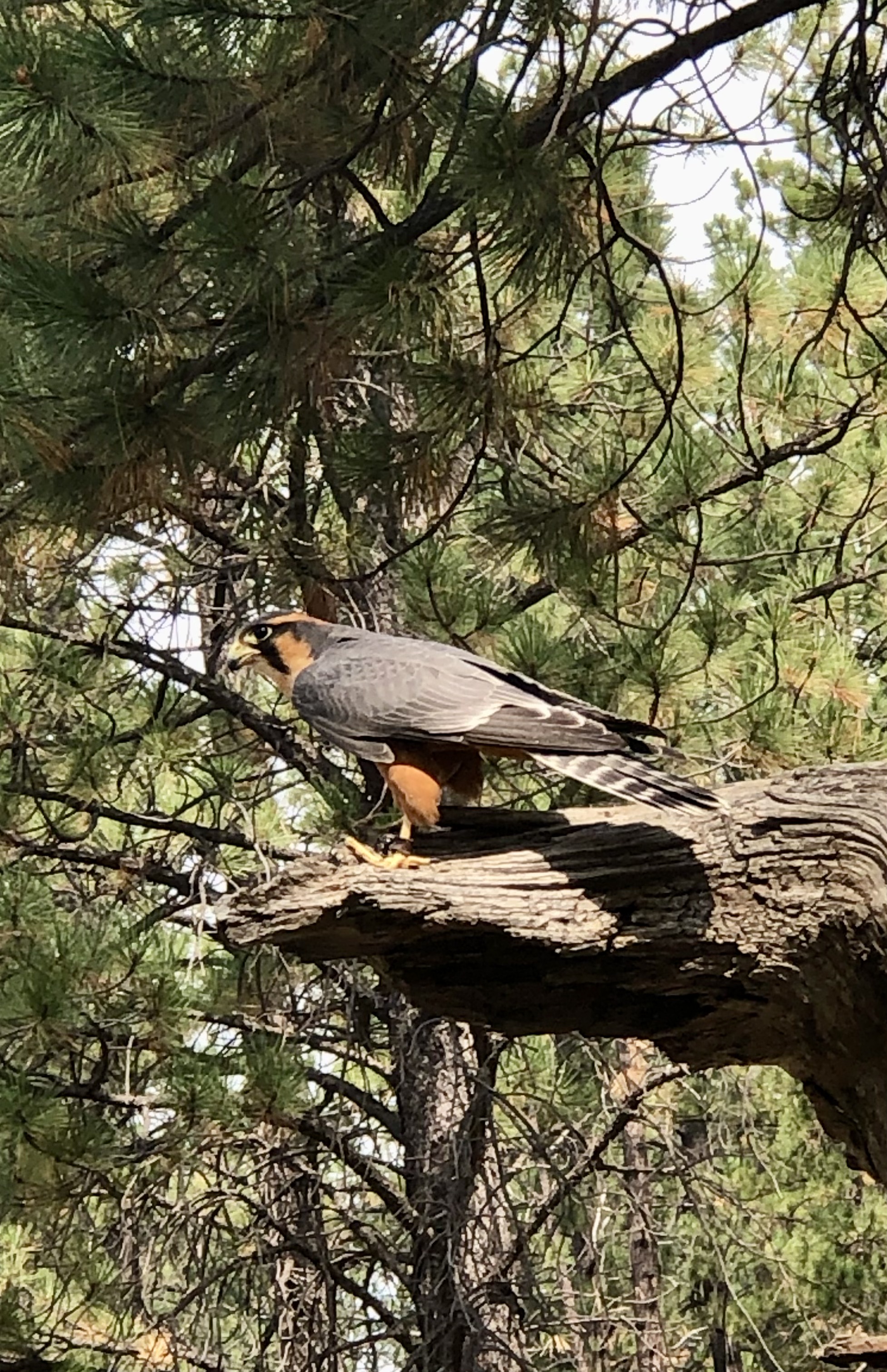
Peregrine Falcon

Barn Owl

Another striking raptor. This one seems on the small side to me. I remember driving out with my dad late one night when a barn owl the size of a toddler dropped down right in front of the truck’s headlights! Jeepers!
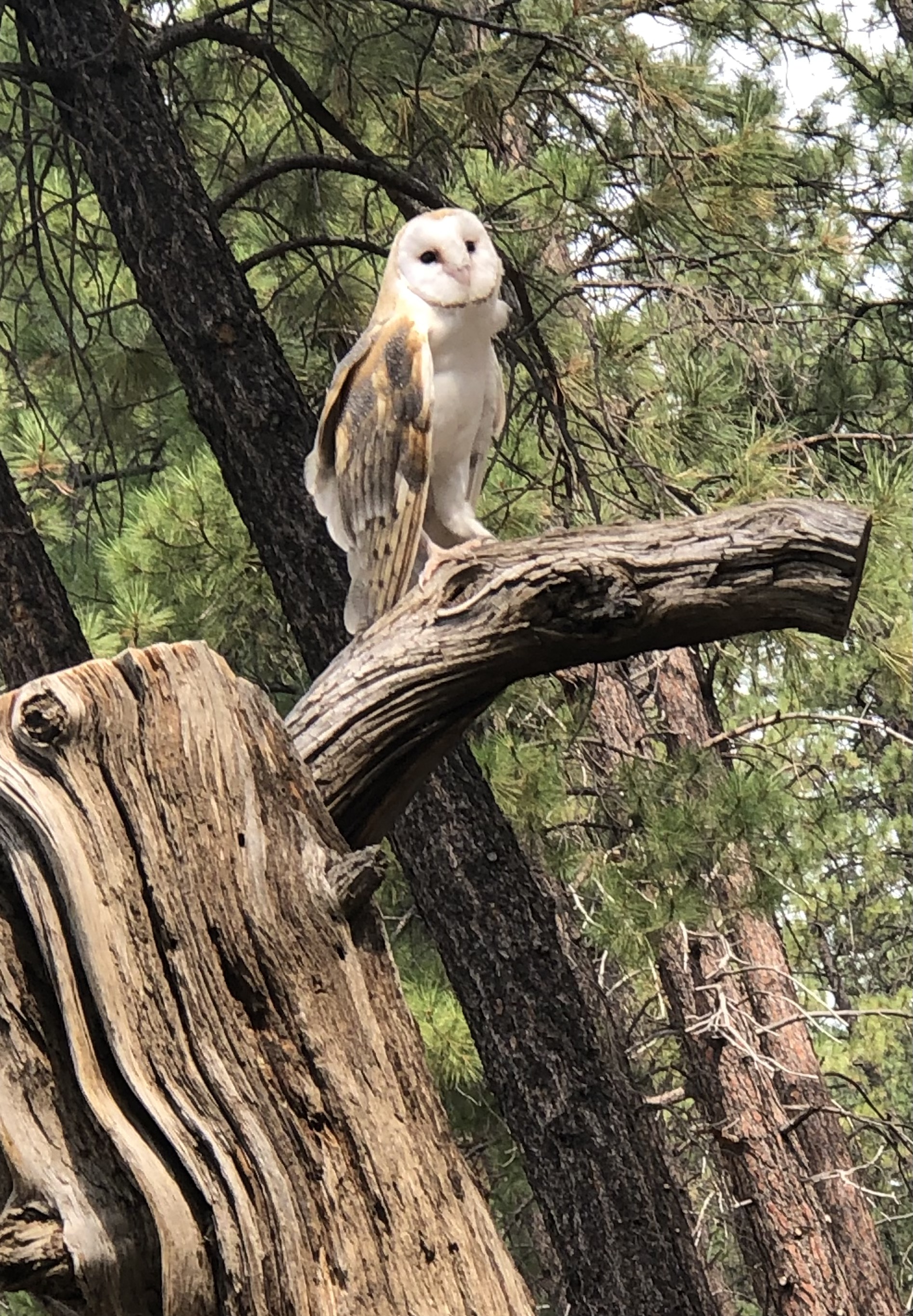
Barn Owl

The best for last? The owl was the only one I was able to catch a picture of “in flight.” I love it!
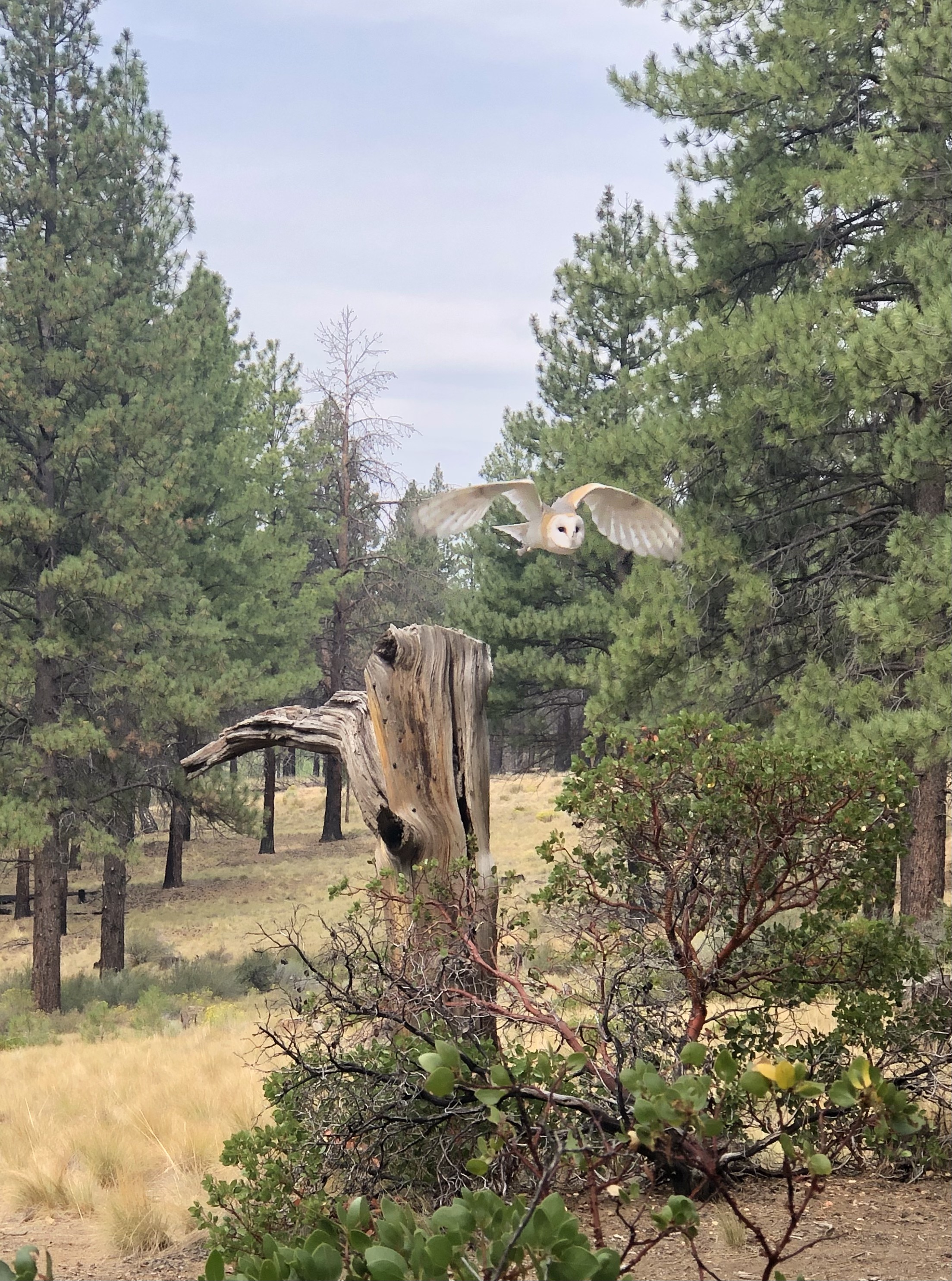
Barn Owl in flight

Thank you for stopping by! What raptors do you have in your area?
Fernmire: Moving Day for Squirrels

Hello Nature-Led Friends!

Here’s a quick post “off the cuff” so to speak, without overthinking it, to share this cool experience I had a couple of mornings ago.

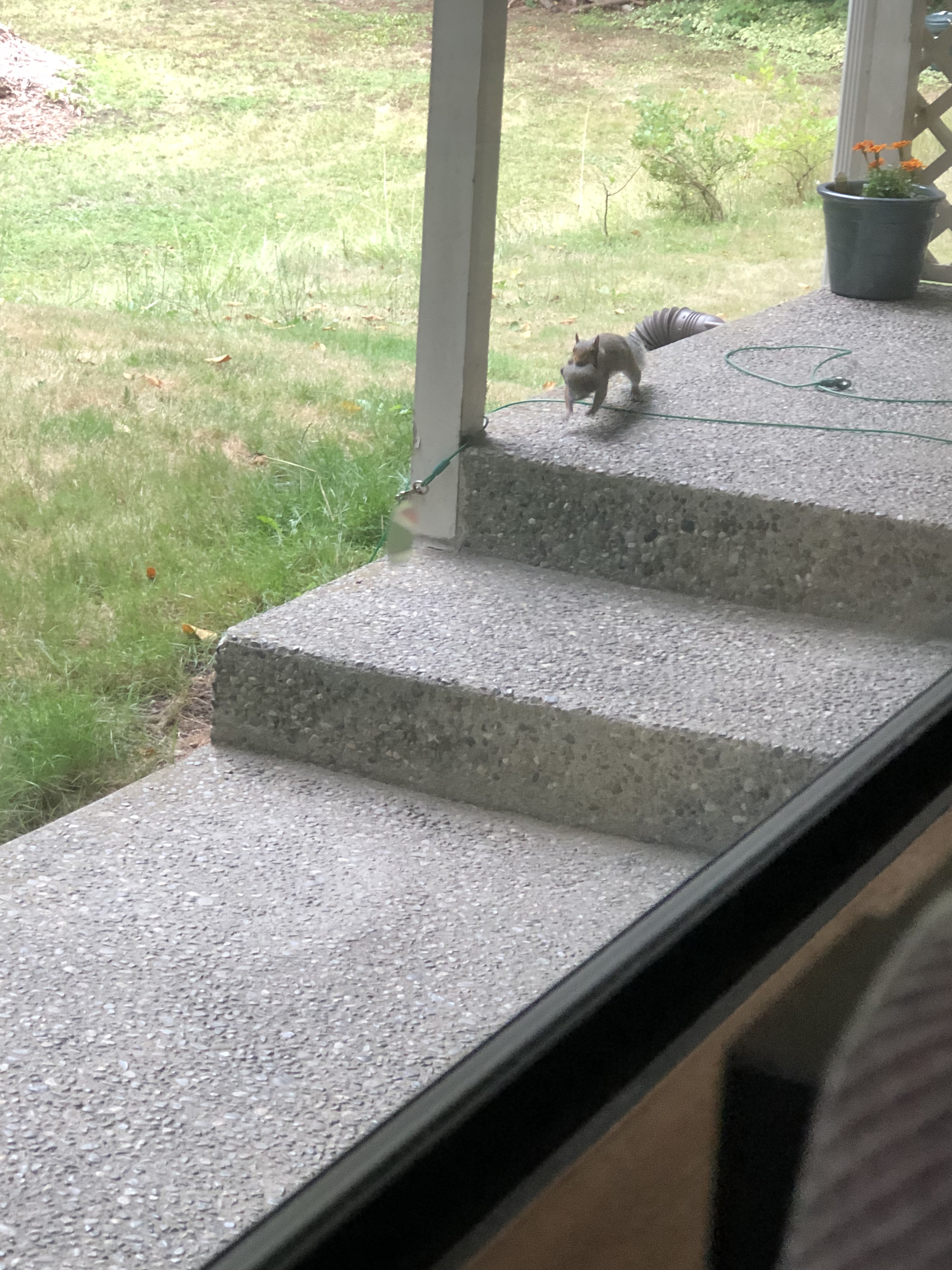
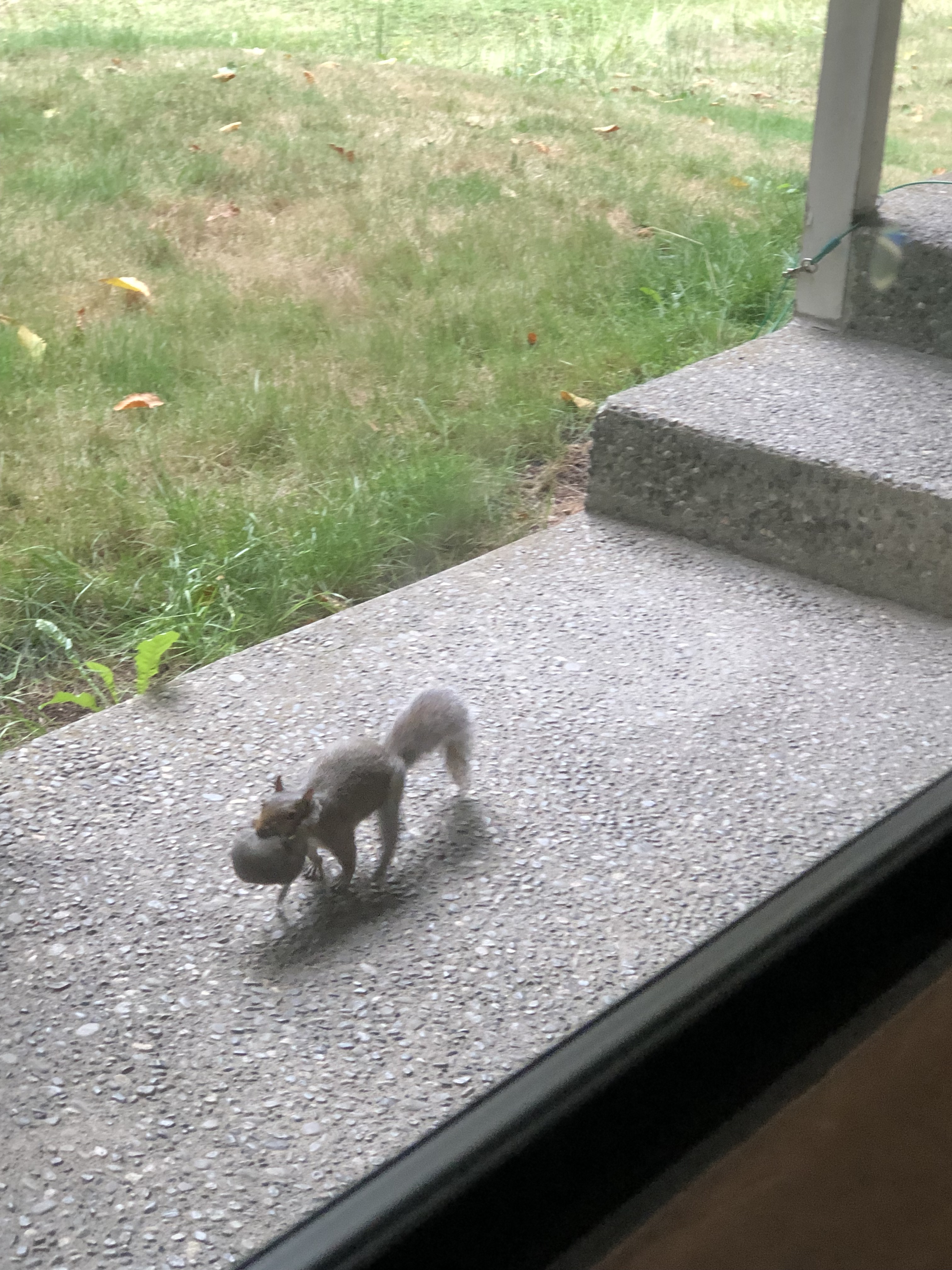
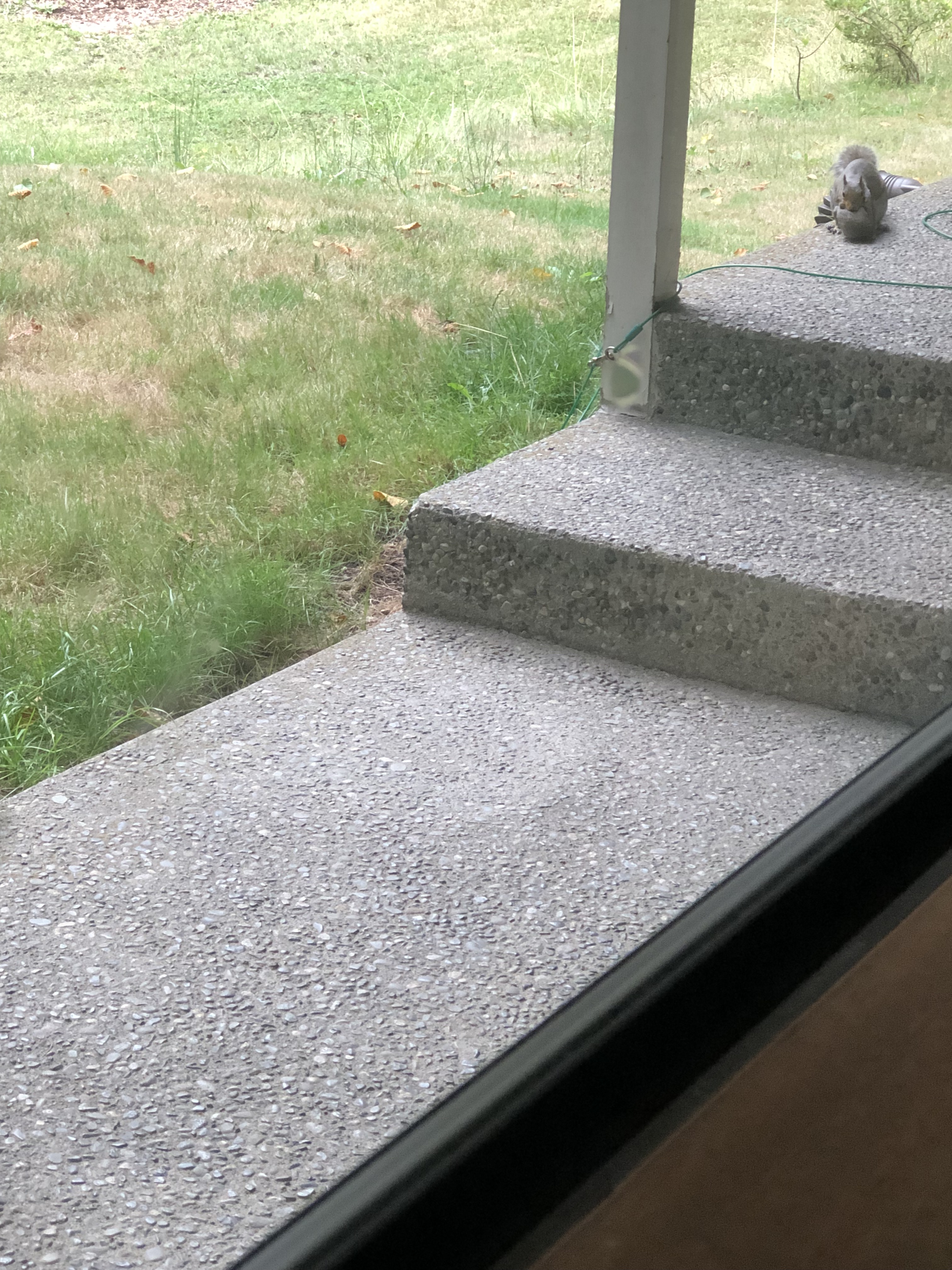
My favorite way to start the day is by reading for an hour with a cup of coffee. On this particular morning, I noticed a gray squirrel mom carrying a small fuzzy parcel. I waited to see if she should come by again and sure enough, she had another fuzzy parcel in her mouth. I witnessed this a total of four times. I knew that mother squirrels sometimes carried their young by folding them up into travel-size parcels and I also knew that sometimes they need to transfer to new nests, but this is the first time in all my years that I actually saw it happen!

According to the Squirrel Enthusiast website:

Momma Squirrels will move their babies for the following reasons: Movement is too limited in the drey (nest), there is not enough nearby food resources, lice infestation, too exposed to the elements for colder temperatures, and finally the drey (nest) is otherwise unsafe due to threats from predators, for example.

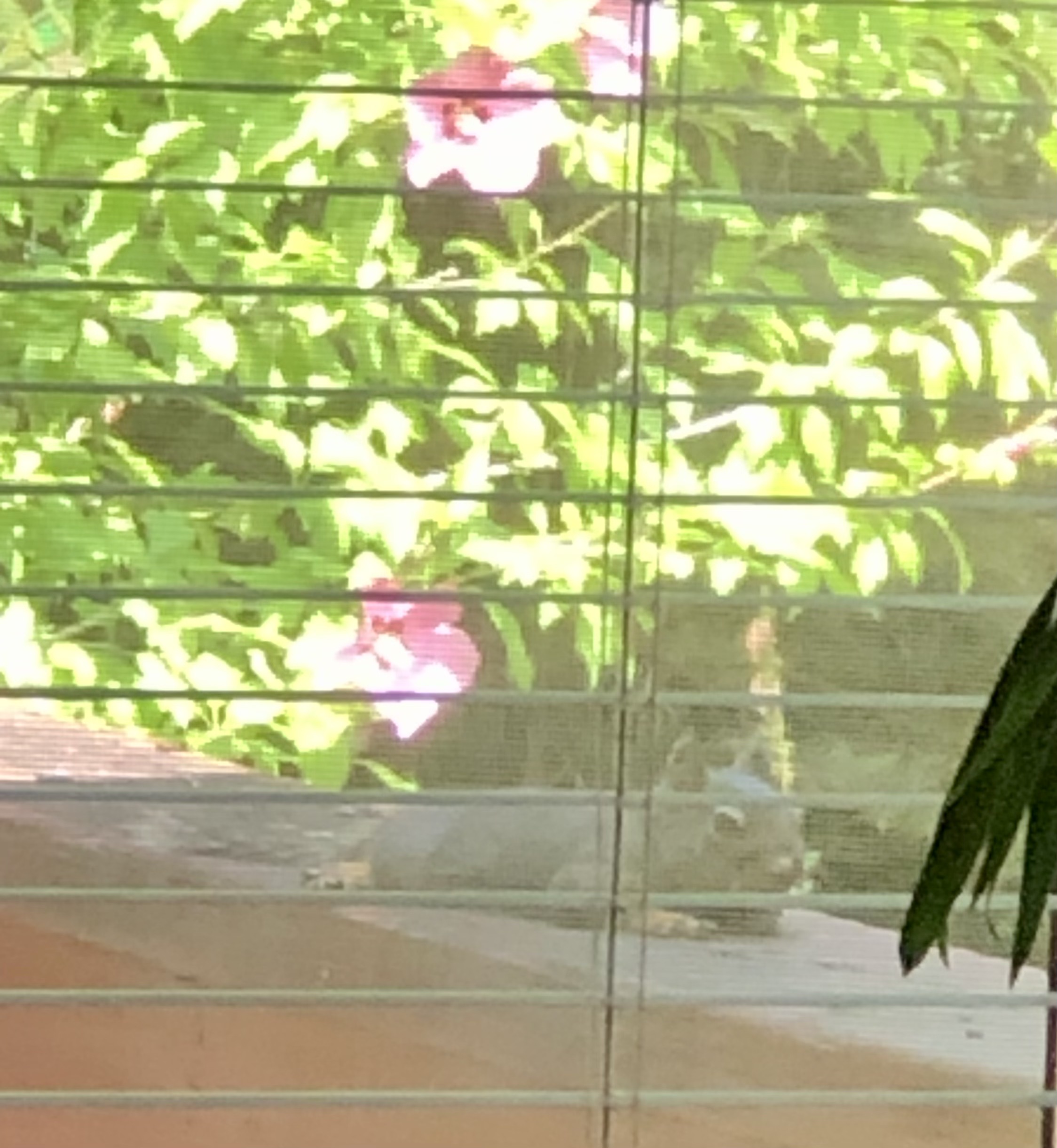
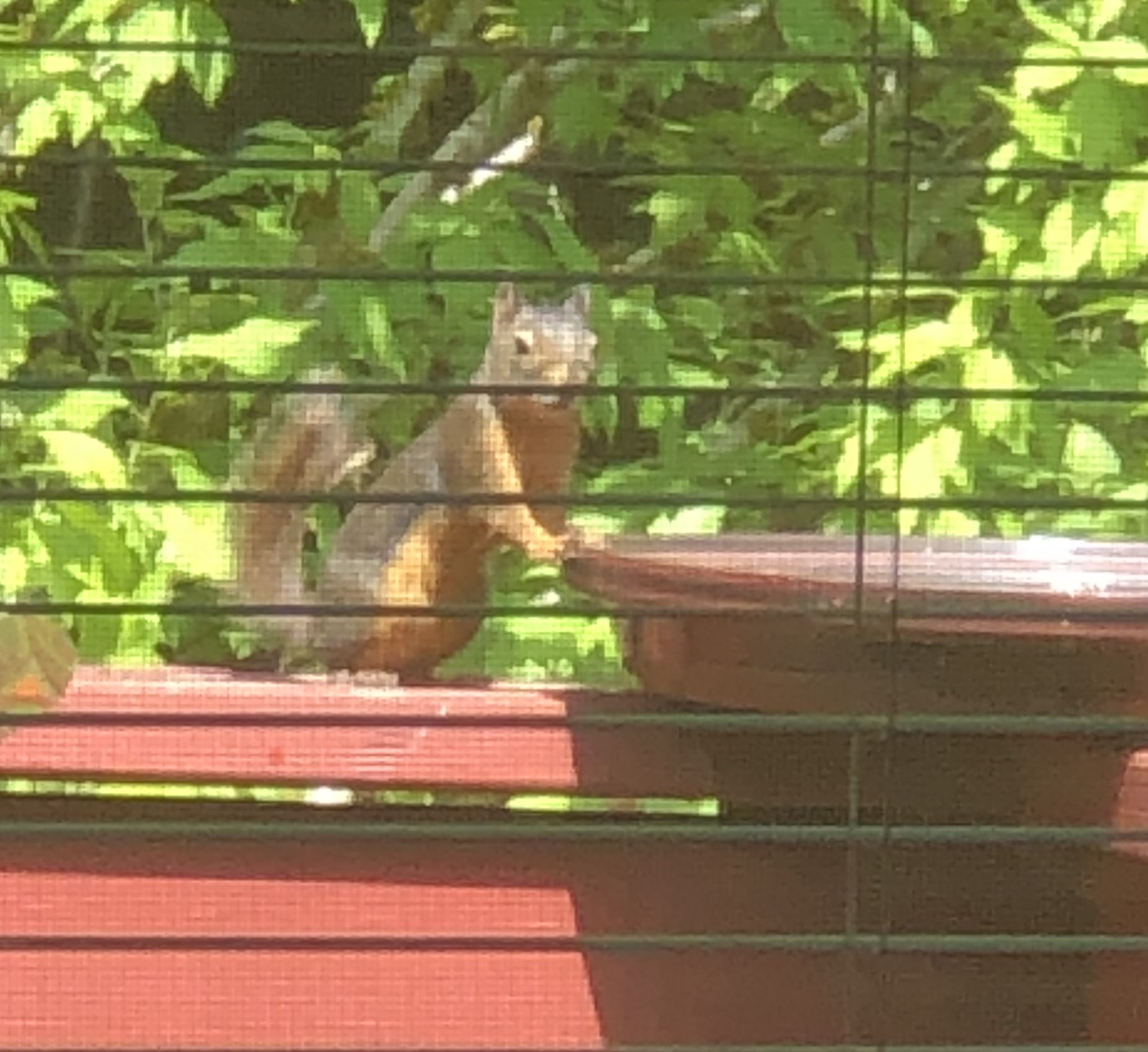
It’s been pretty hot the last few weeks. The gray squirrels and the Douglas squirrels have worked out an arrangement as to who can drink and sploot (lay flat to cool off) by the birdbath and when.

All pictures by Melanie Reynolds for The Nature-Led Life

What is your favorite way to start the day? Are you looking forward to Fall?

Ancestral delight

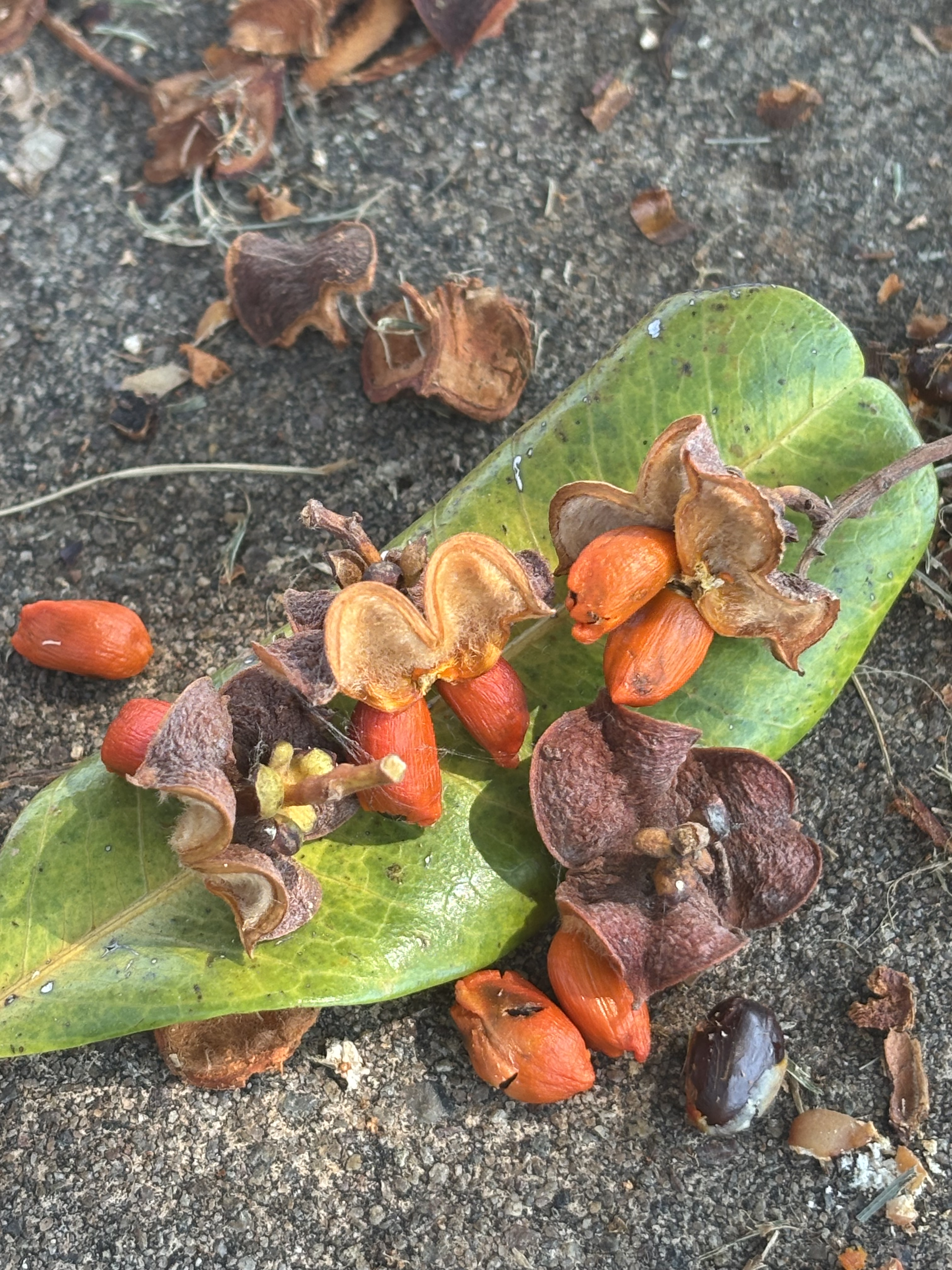
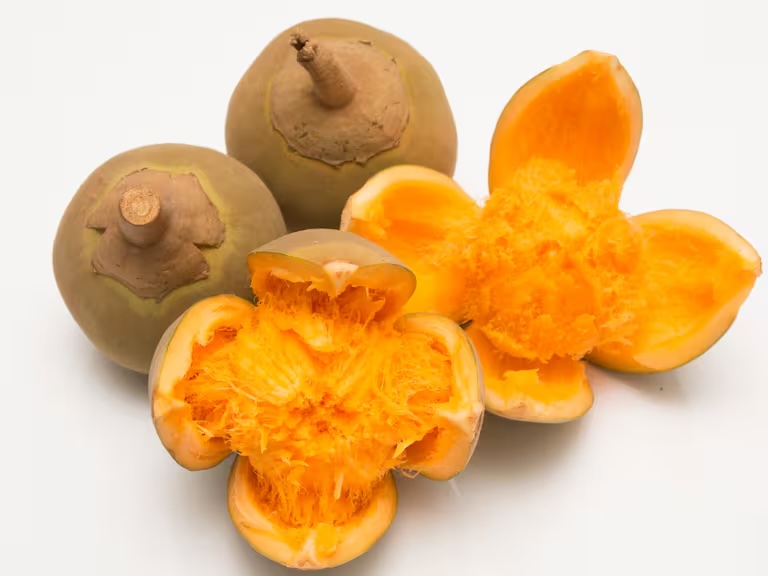
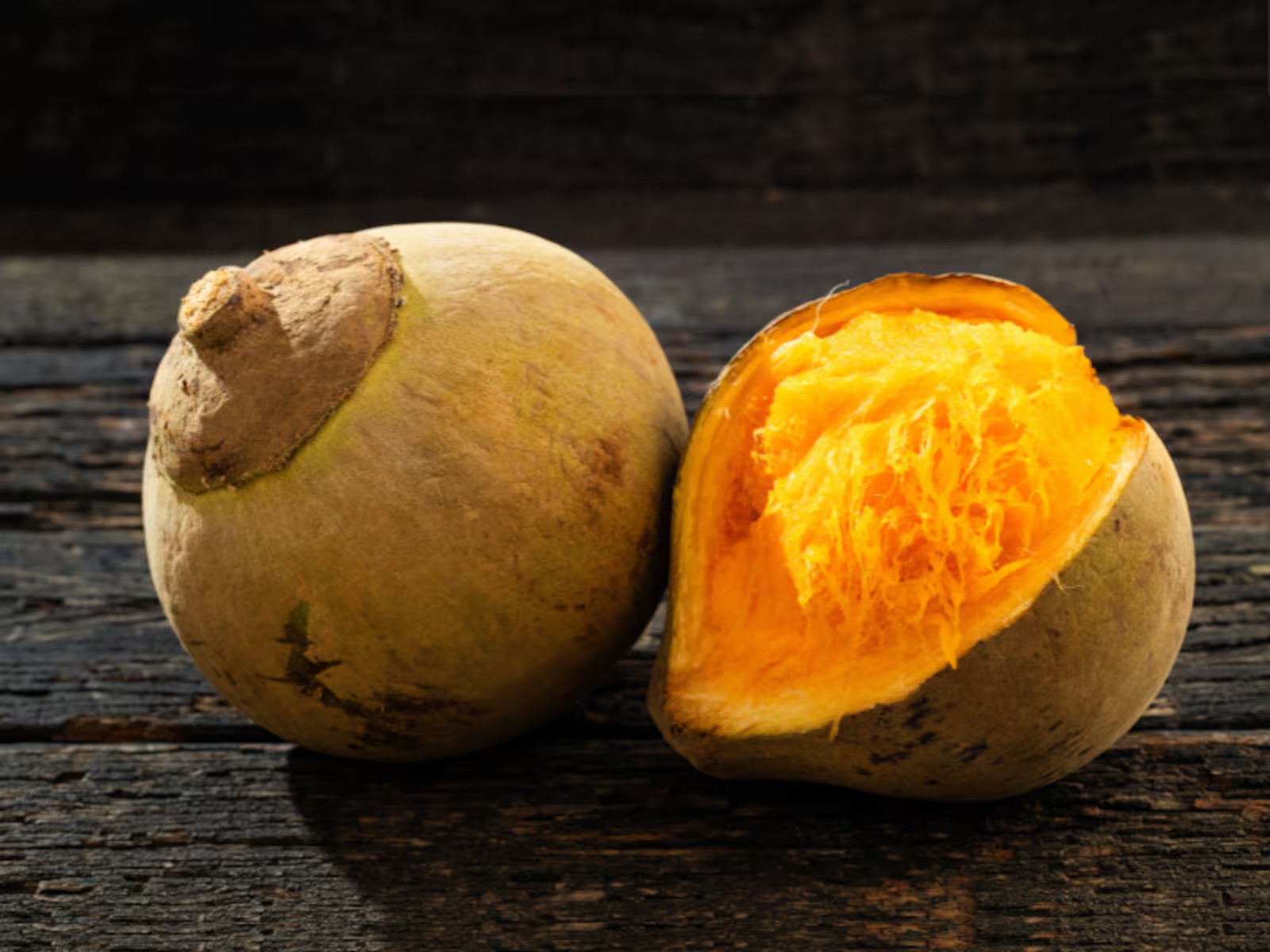
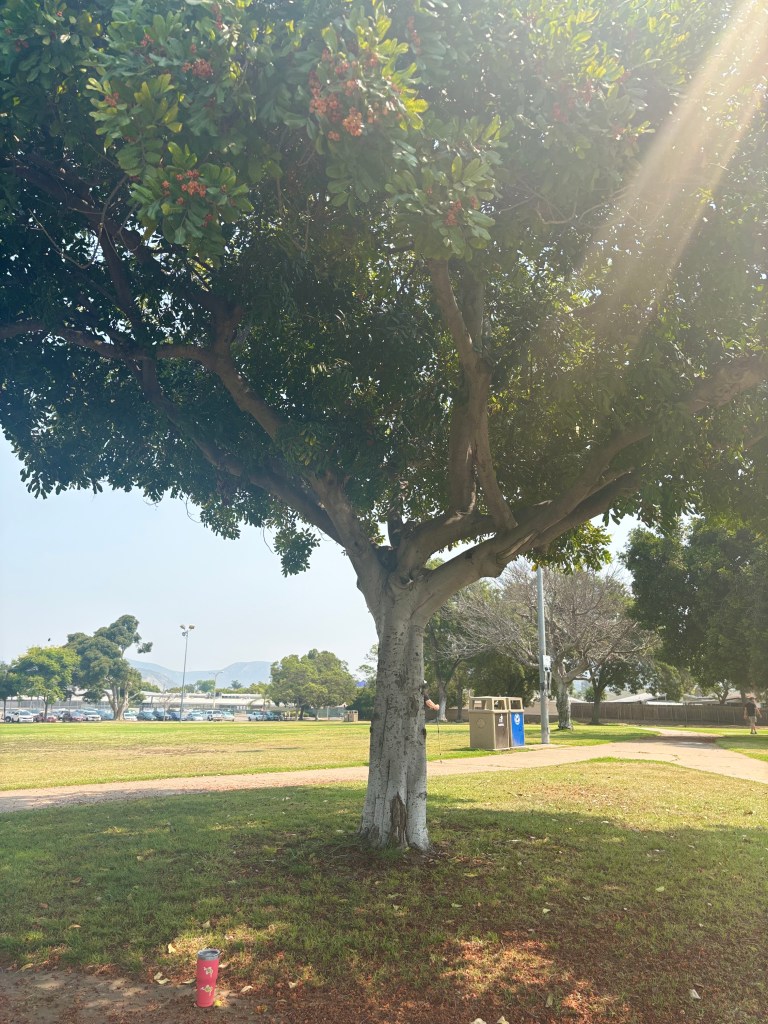
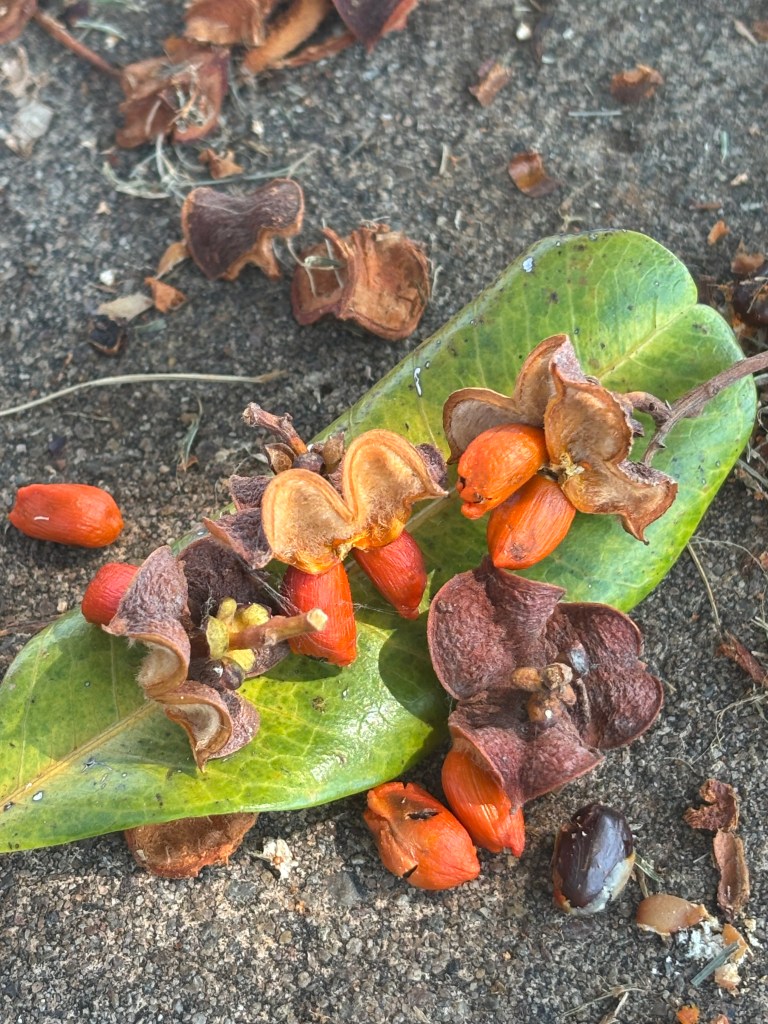
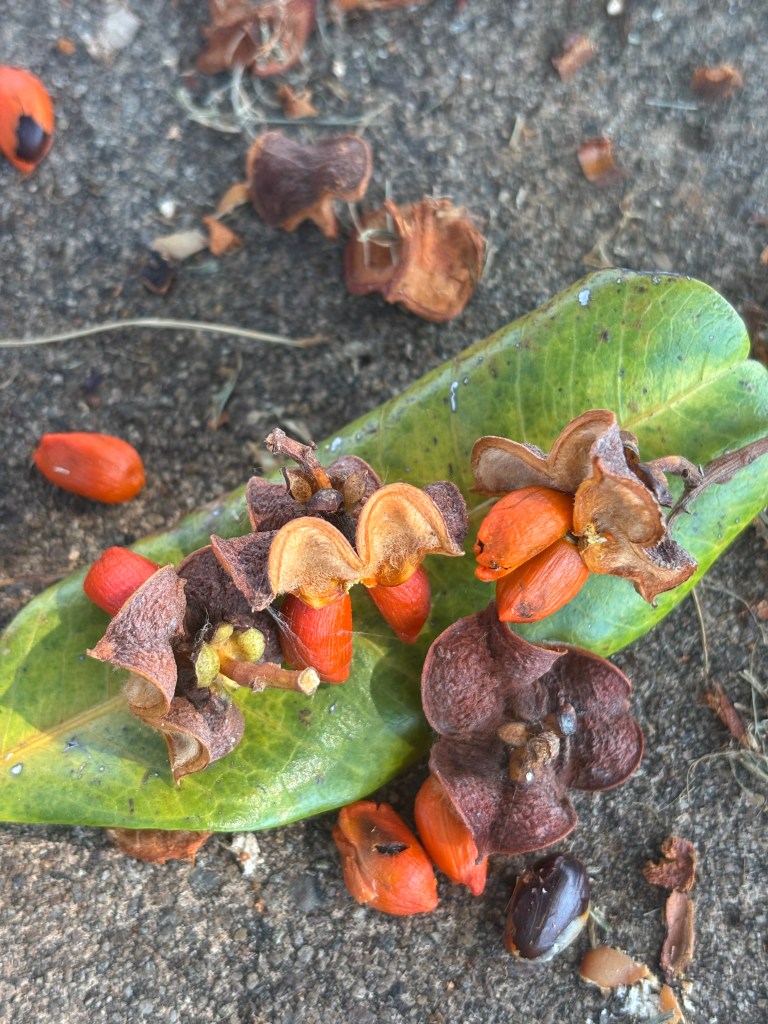
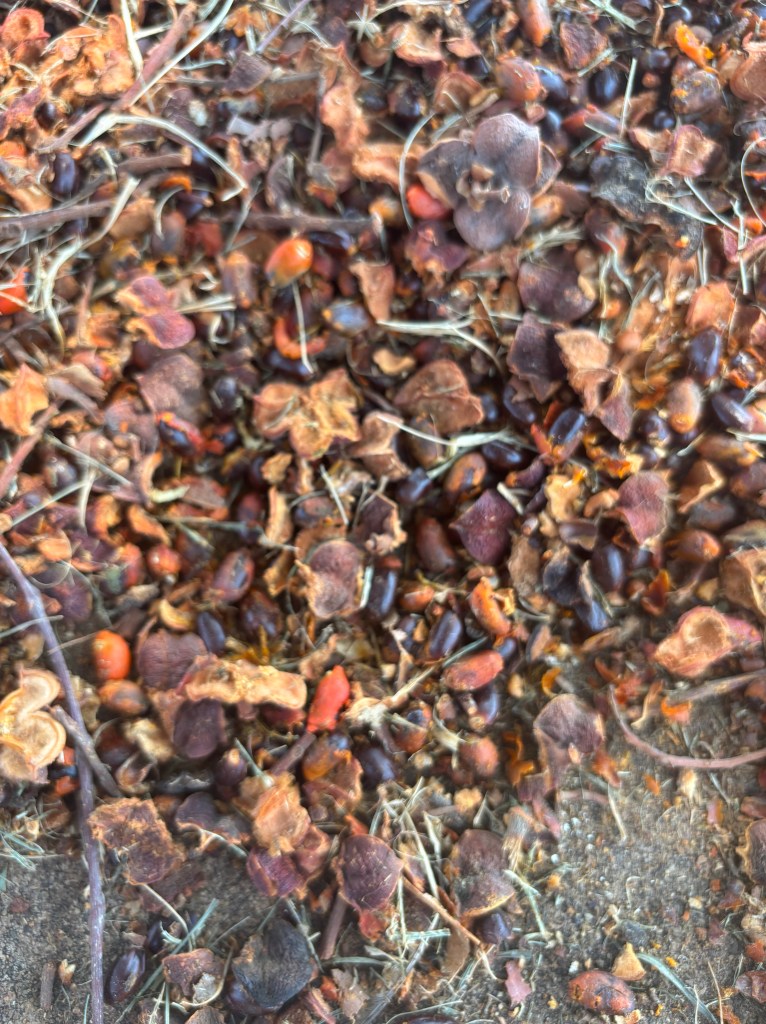
Upon seeing the seeds of this Australian tree (the carrotwood tree (Cupaniopsis anacardioides) here on American soil, I was suddenly visited by the image of the Colombian zapote: that fruit with fiery orange tones, fibrous and fleshy, shaped like a maraca with its round form and persistent stem, as if still clinging to the tree.

Four worlds meet here: Australia, the United States, Colombia… and that other elusive territory of memory, where time does not exist, but everything leaves its mark. A land with so many names, so many faces, so many sensations.

The zapote, in its many varieties—mamey, black, white, chicozapote—is native to Mesoamerica and South America. Since pre-Columbian times, it has been cultivated and revered by Indigenous civilizations such as the Maya and the Mexica, not only for its nutritional value but for its symbolism tied to fertility, abundance, and the sacred. Its name comes from the Nahuatl word tzapotl, used to refer to sweet and soft fruits. In many regions of Latin America, the zapote remains an ancestral fruit that connects generations, land, and body.

In my wanderings, these small seeds brought me great memories, honoring my father, and the zapote, his favorite fruit.

Father, you so well dressed, so serious in your reflections, so methodical in your plans and calculations. Your desk, impeccable. Your notes, exceptionally organized. I was always curious why you liked zapote (I never asked. Simple things that go unasked, as if silence already held the answer).

Zapote carries something sacred in its messiness: it smears, it stains, it invites you to eat without cutlery. You must eat it with your hands, suck the pulp from the seed, let yourself be covered in its thick, fiery colorful juice. It’s a fruit that doesn’t allow for haste or distance; it is eaten with the whole body.

Now, as a mother, I see in its shape something like a breast; round, generous, with a nipple at the tip. The juice doesn’t come from there, but its form moves me, reminds me that everything in nature is connected. Zapotes open like a chest, and they feed us. Their exquisite pulp is a quiet pleasure that invites play, delight, and the chance to be children again.

And in that experience —licking your fingers, laughing at the juice running down your hands, tasting slowly— you give thanks. For the nourishment, for the sensing body, for the memories that return.

Thanks for this ancestral delight.